2022+ Toyota GR86 Performance Parts & Mods
Toyota GR86
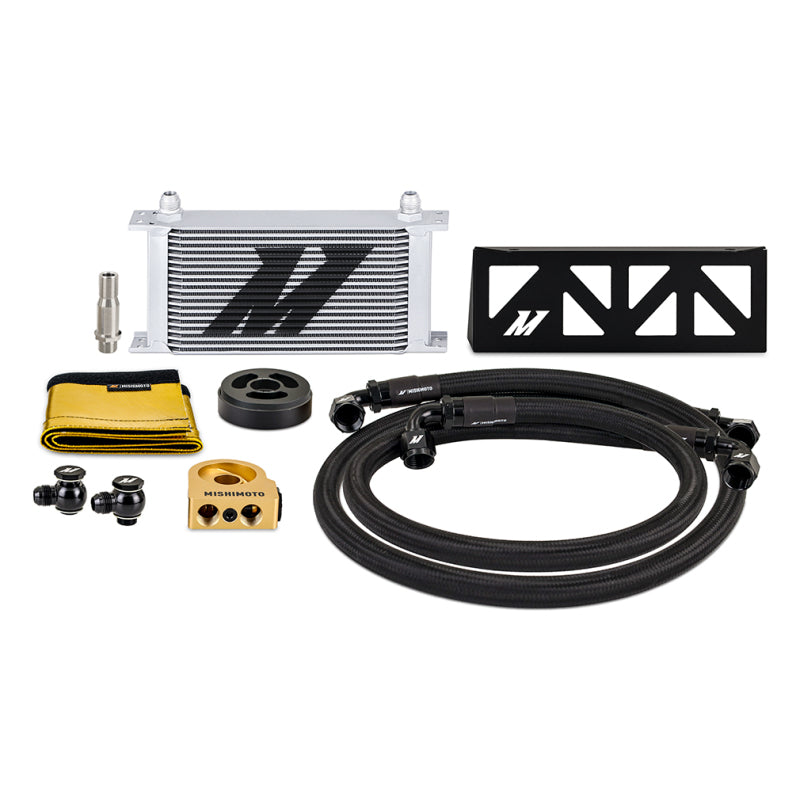
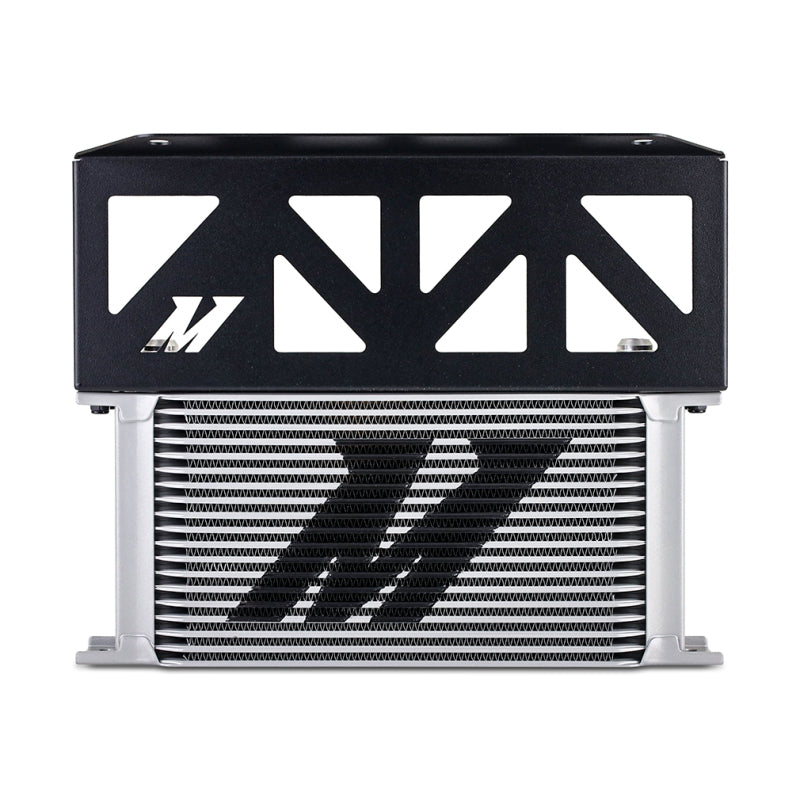
Mishimoto 2022+ Subaru BRZ/Toyota GR86 Oil Cooler Kit - Silver (MMOC-BRZ-22NTSL)
Mishimoto 22+ Subaru BRZ/Toyota GR86 Oil Cooler Kit Thermostatic - Silver (MMOC-BRZ-22TSL)
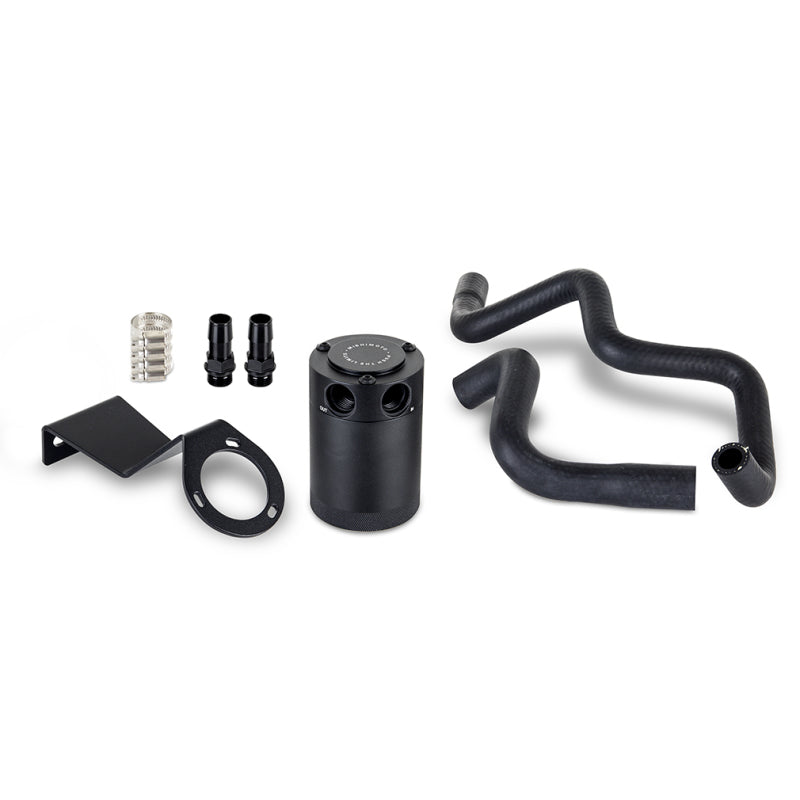
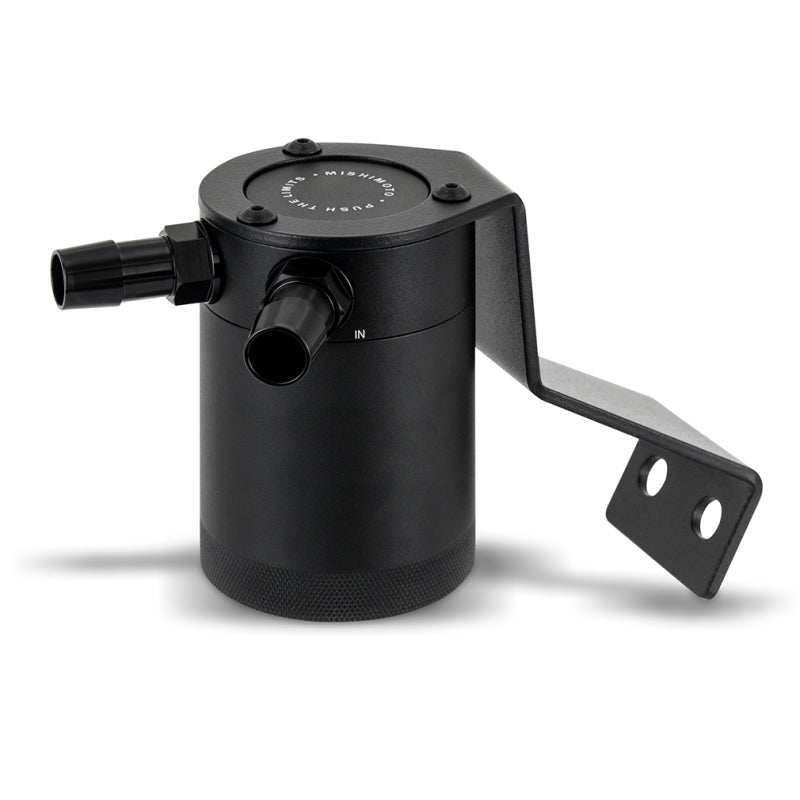
Mishimoto 2022+ Subaru BRZ / Toyota GR86 Baffled Oil Catch Can Kit (MMBCC-BRZ-22)
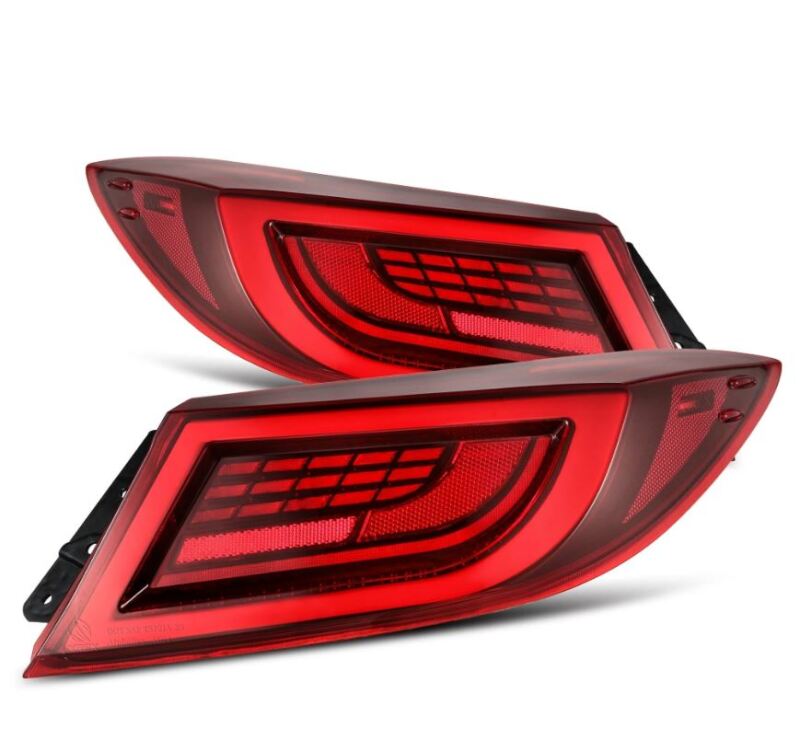
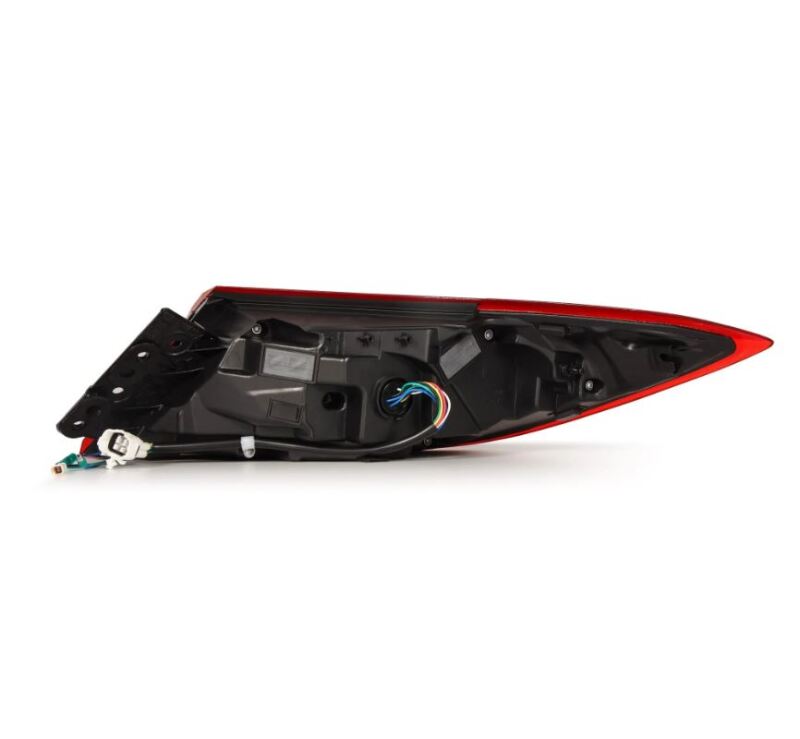
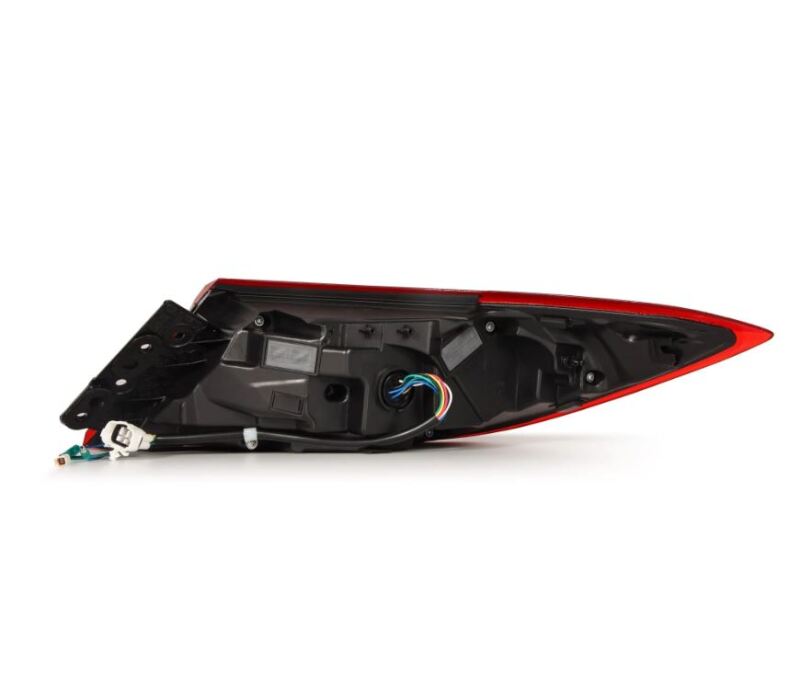
AlphaRex 22-24 Toyota GR86 LUXX LED Taillights Vivid Red (675030)
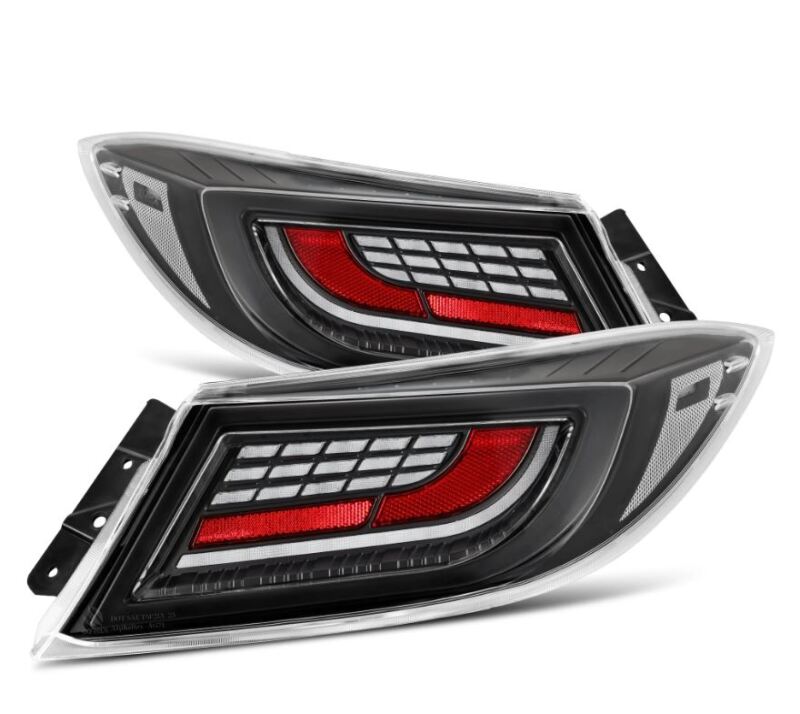
AlphaRex 22-24 Toyota GR86 LUXX LED Taillights Alpha-Black (675040)
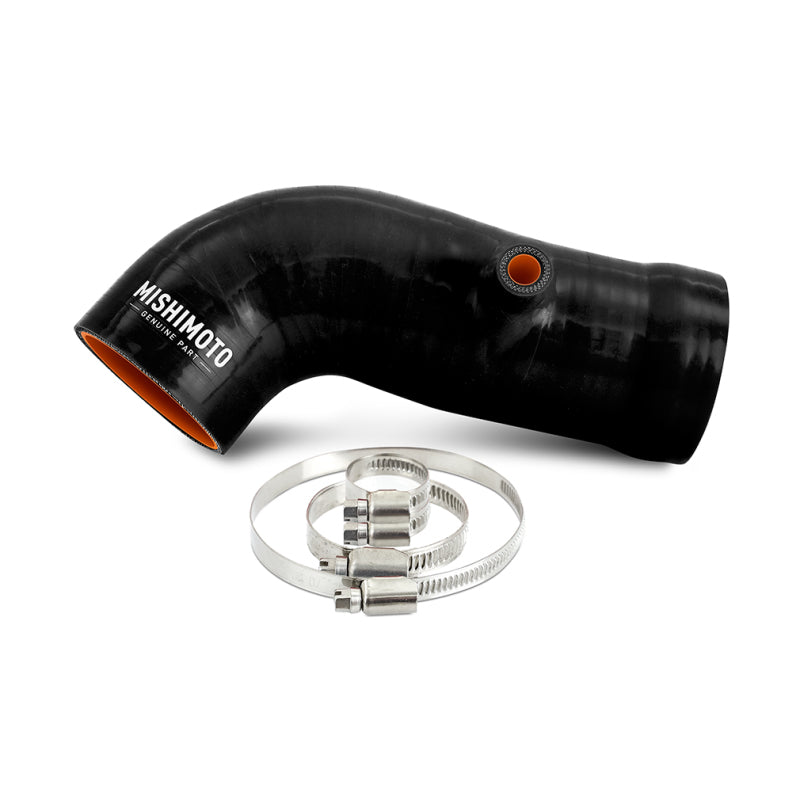
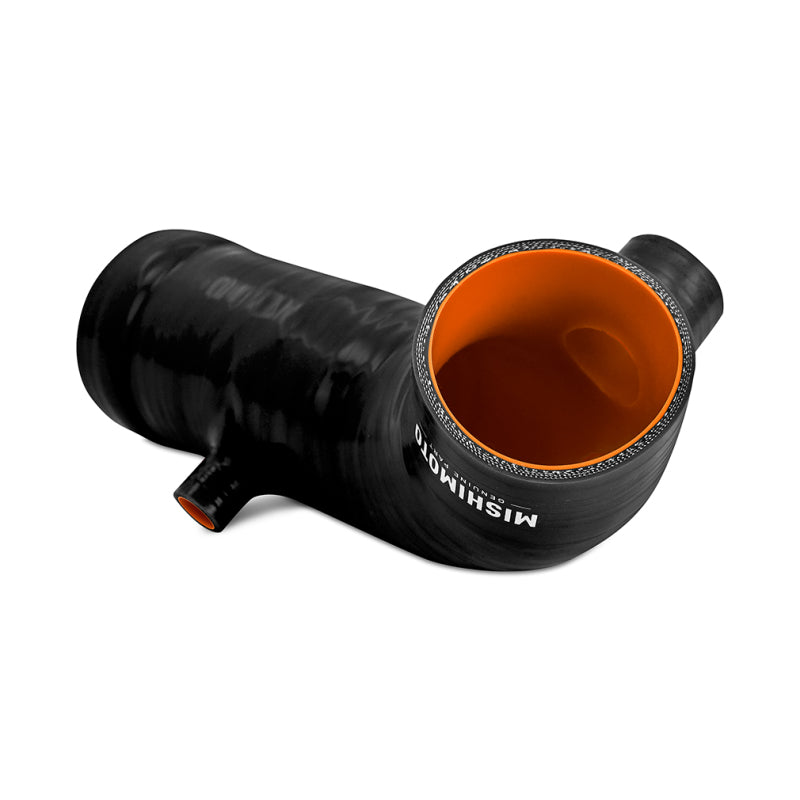
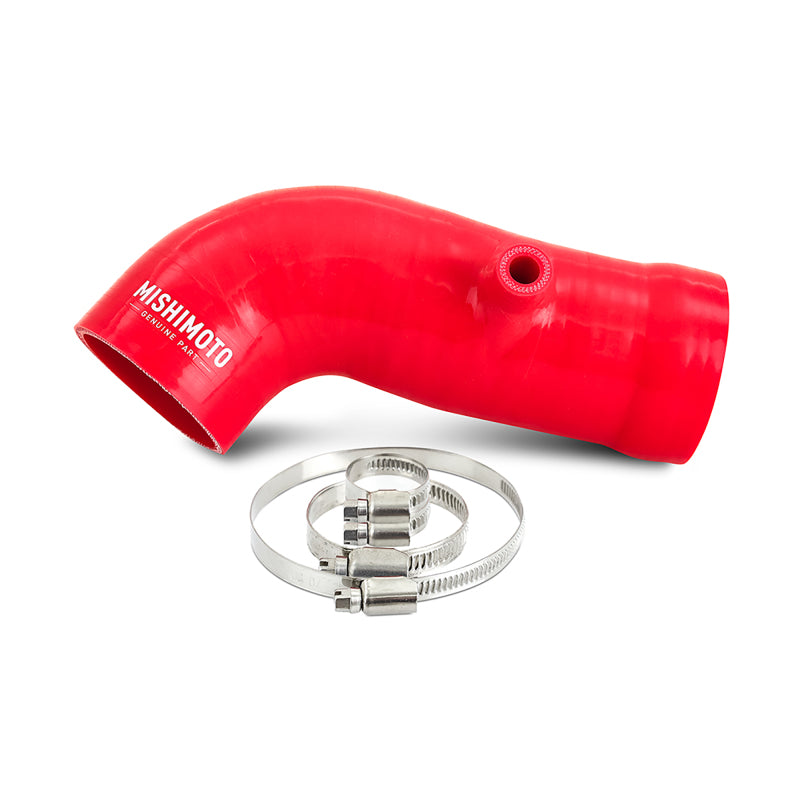
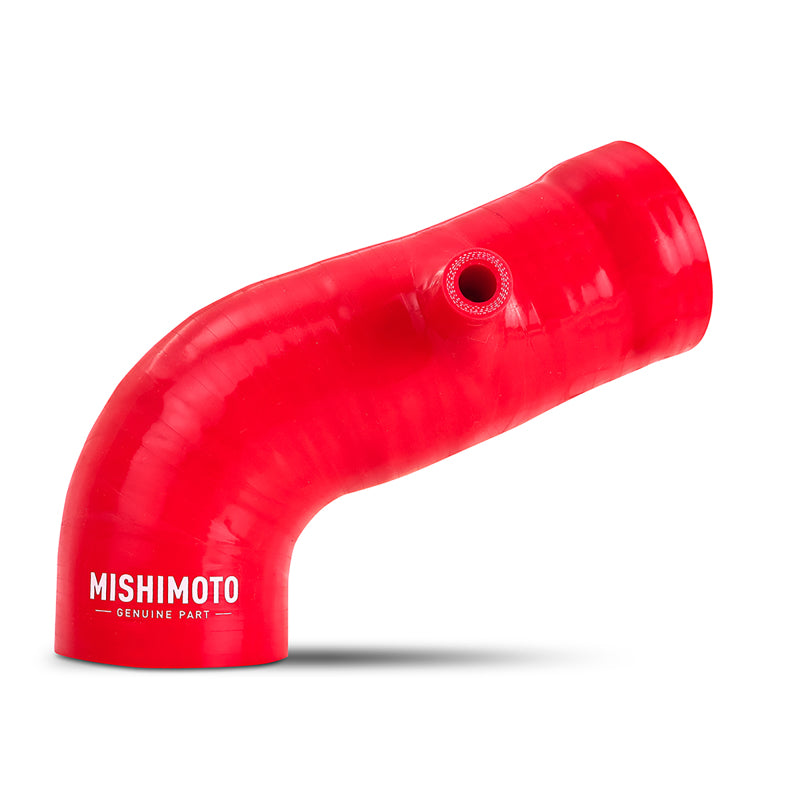
Mishimoto 2022+ Subaru BRZ / Toyota GR86 Silicone Induction Hose BK (MMHOSE-BRZ-22IHBK)
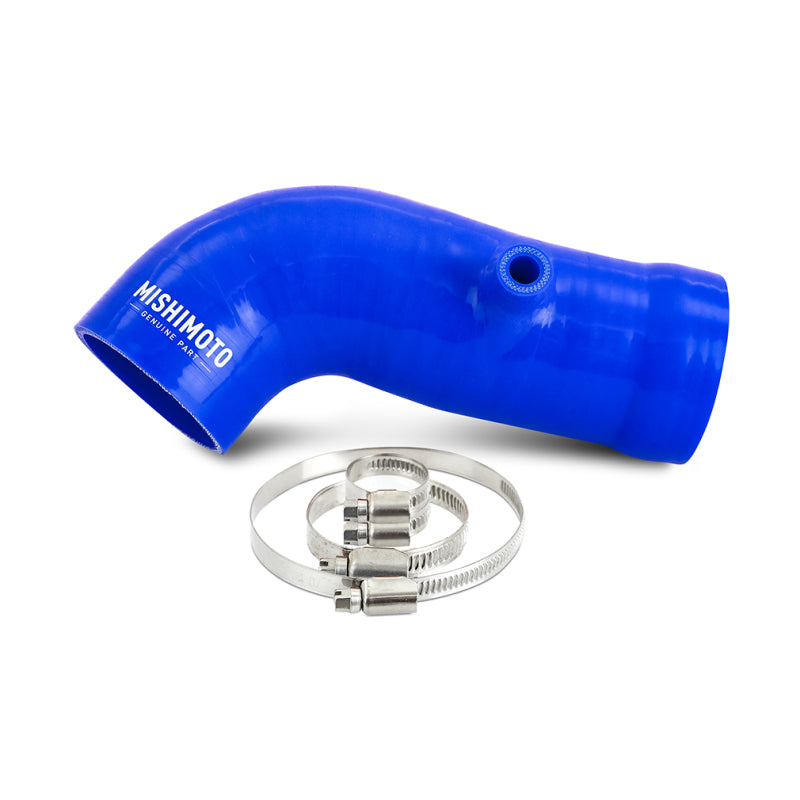
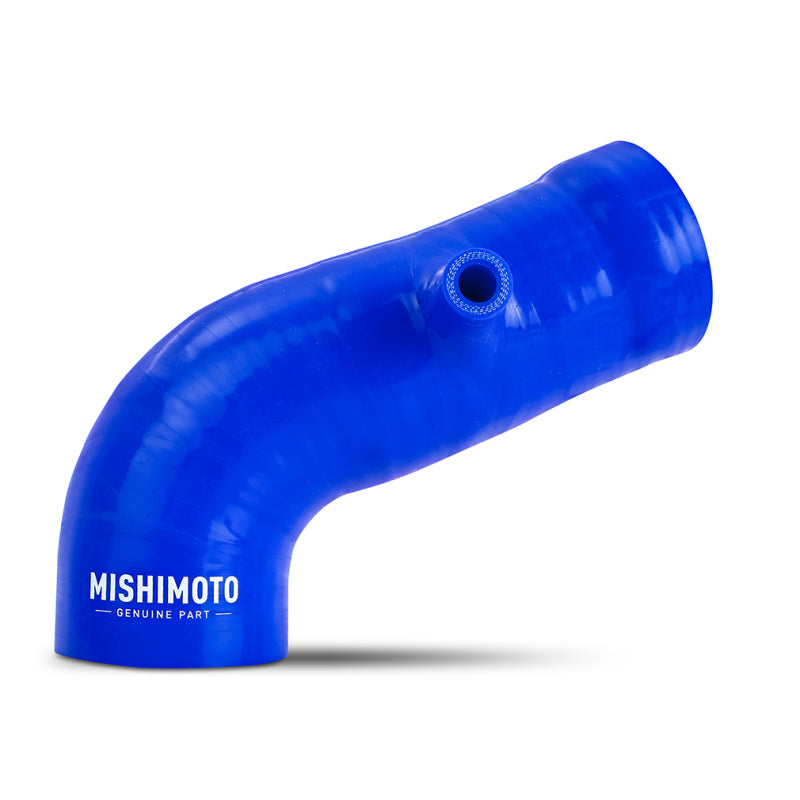
Mishimoto 2022+ Subaru BRZ / Toyota GR86 Silicone Induction Hose BL (MMHOSE-BRZ-22IHBL)
Mishimoto 2022+ Subaru BRZ / Toyota GR86 Silicone Induction Hose RD (MMHOSE-BRZ-22IHRD)
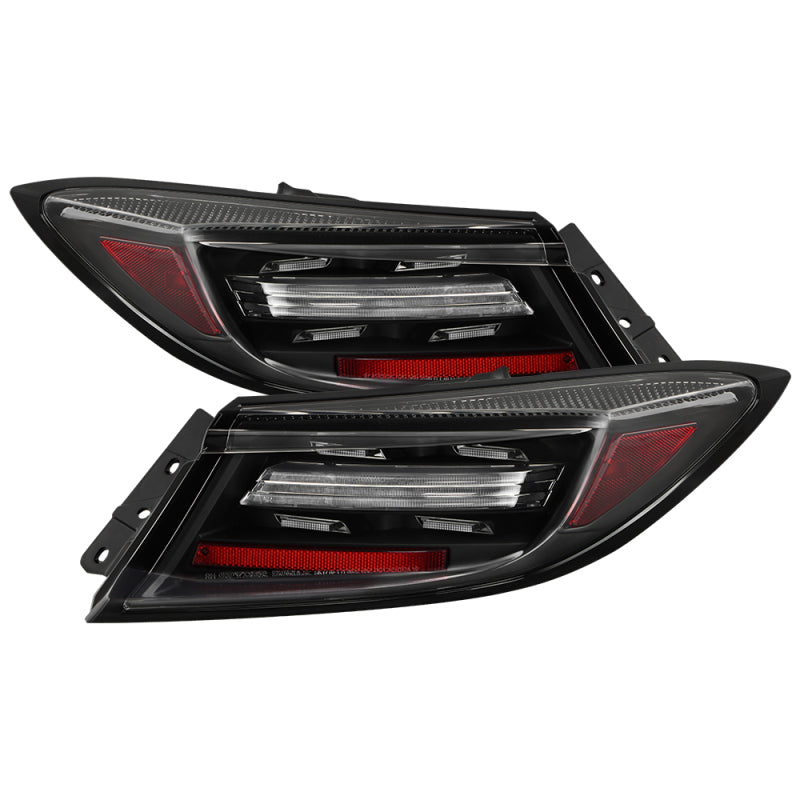
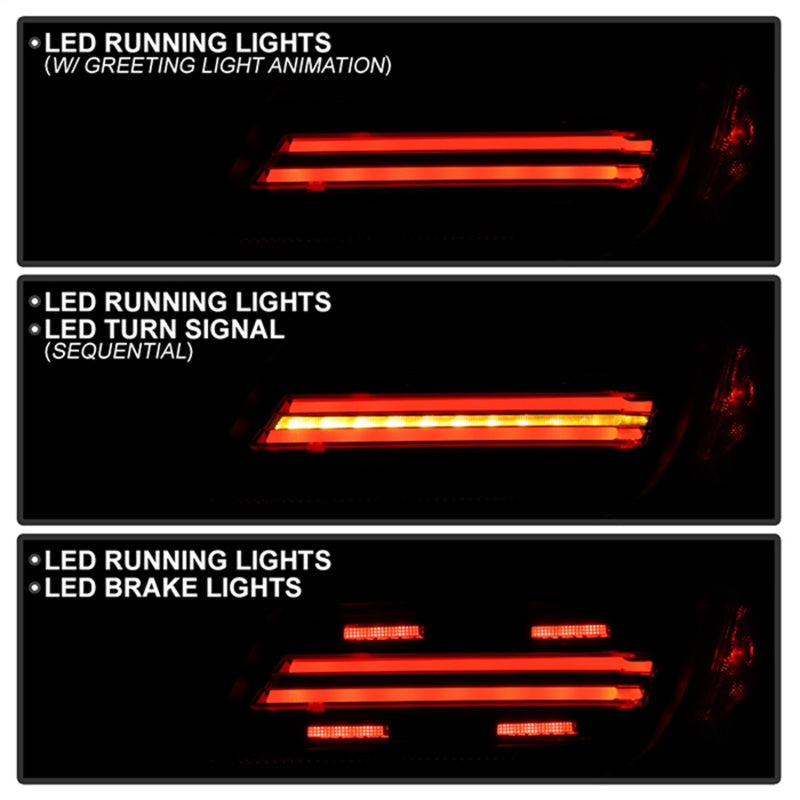
Spyder Apex 22-24 Toyota GR86/BRZ Full LED Tail Lights - Black (ALT-YD-TGR8622-SEQGR-BK)
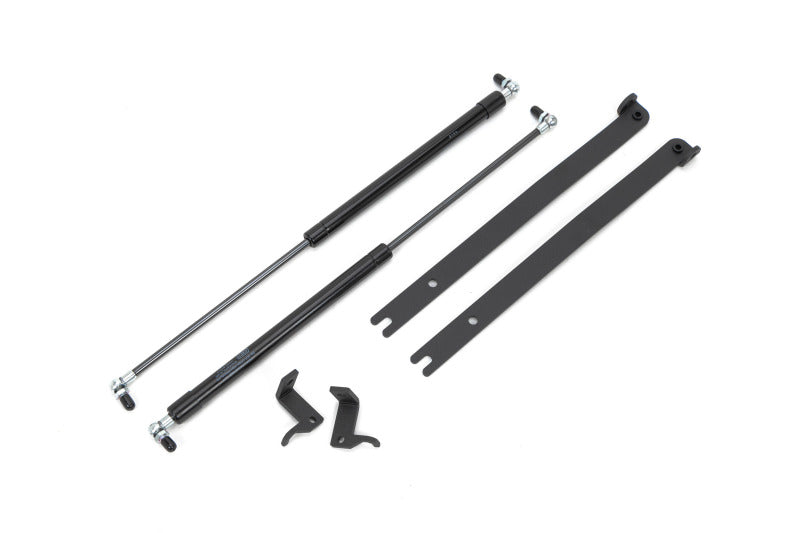
GrimmSpeed 2022+ Subaru BRZ/Toyota GR86 High Lift Hood Struts
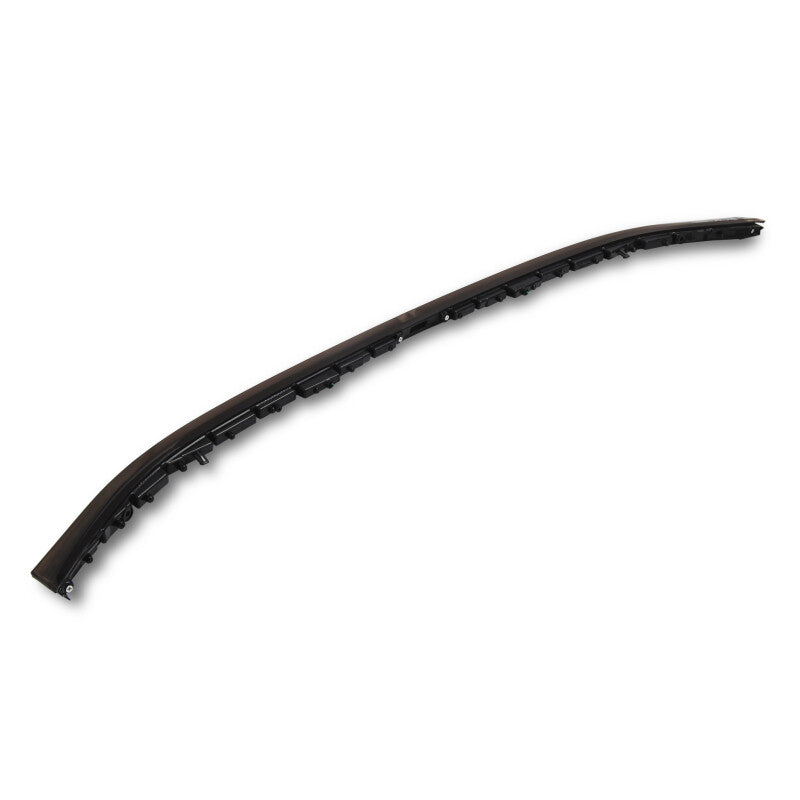
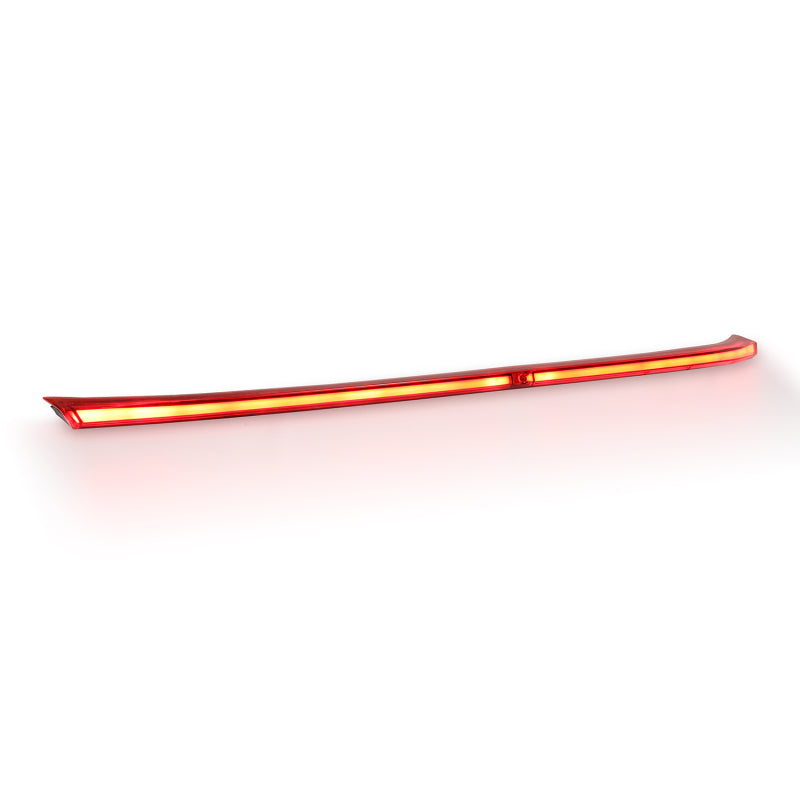
AlphaRex 22-24 Toyota GR86 LUXX LED Trunk Center Light Smoked (220020)
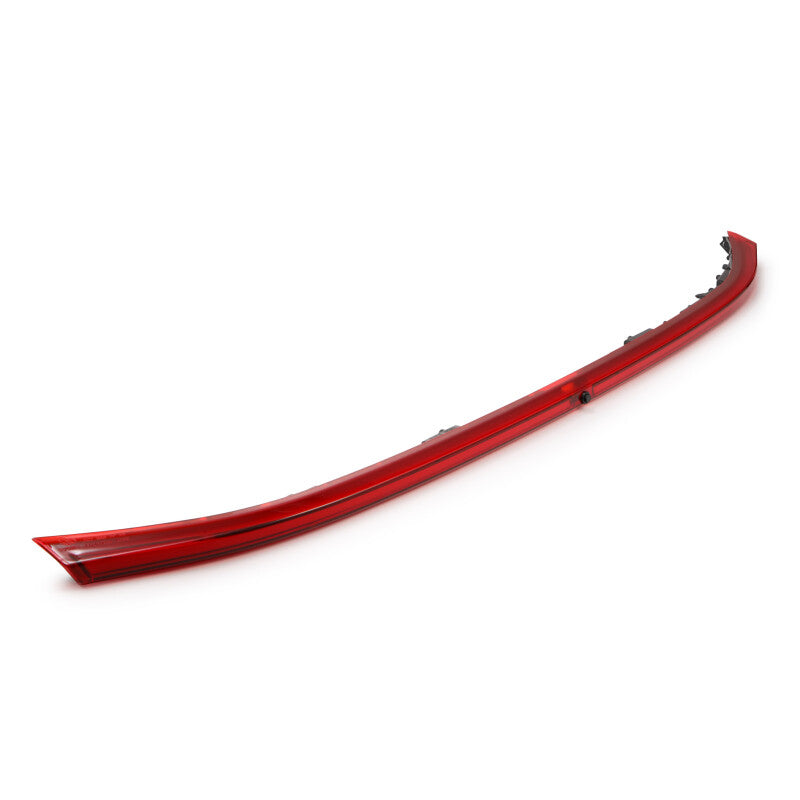
AlphaRex 22-24 Toyota GR86 LUXX LED Trunk Center Light Vivid Red (220030)
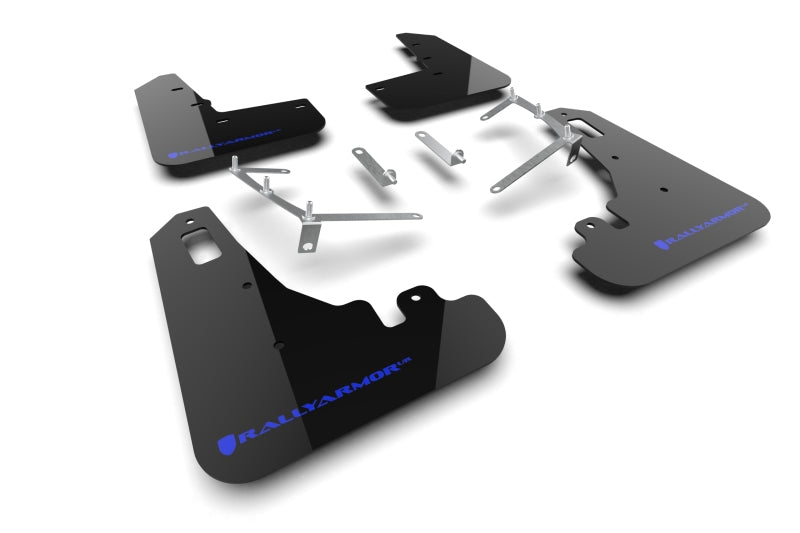
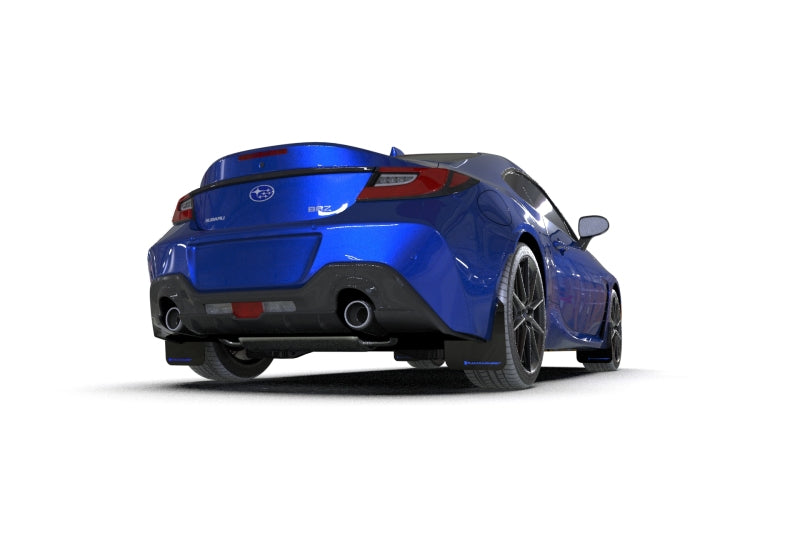
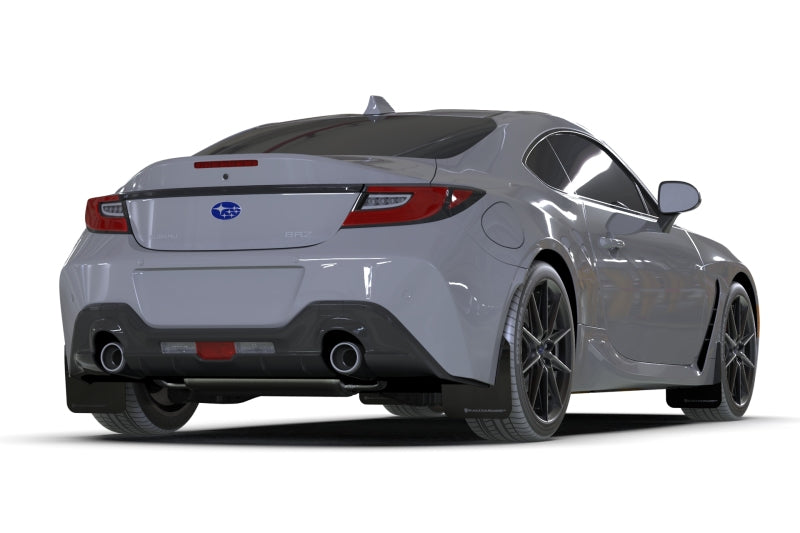
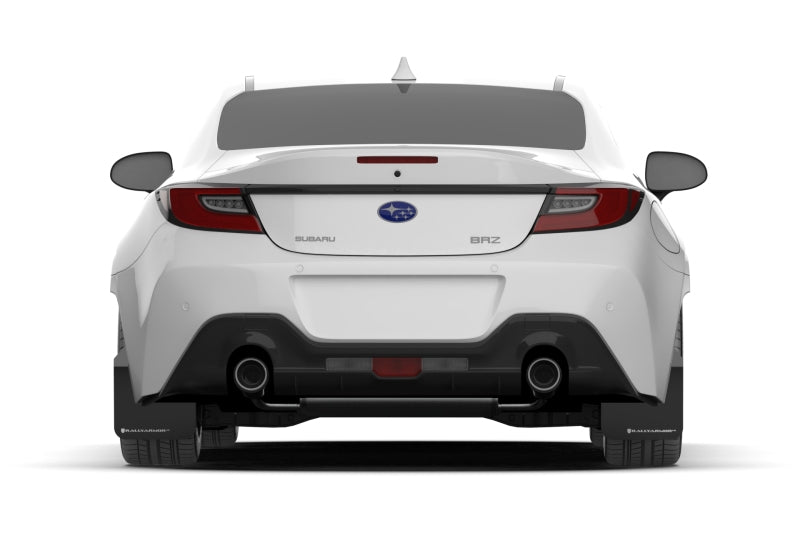
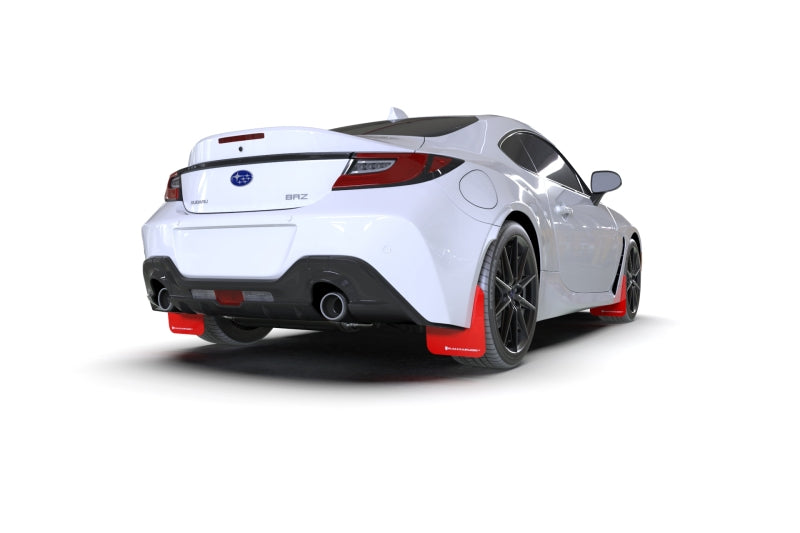
Rally Armor 22-25 Subaru BRZ / Toyota GR86 Black UR Mud Flap w/Blue Logo (MF99-UR-BLK-BL)
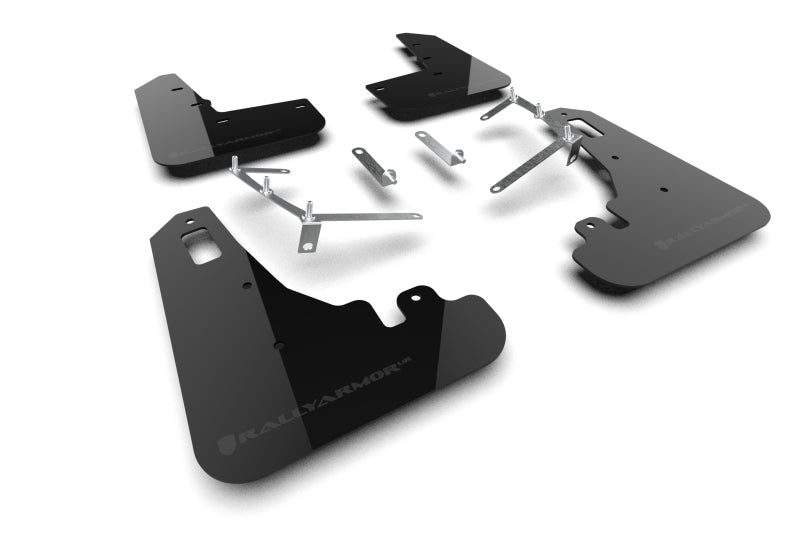
Rally Armor 22-25 Subaru BRZ / Toyota GR86 Black UR Mud Flap w/Dark Grey Logo (MF99-UR-BLK-DGRY)
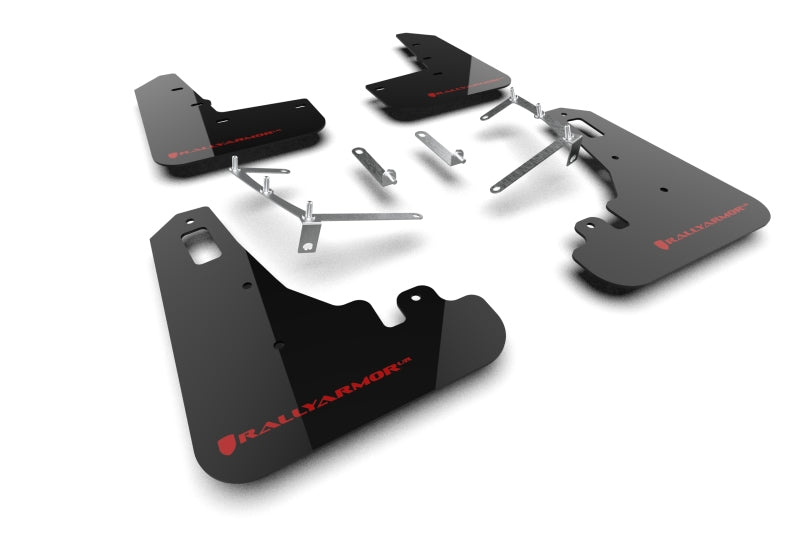
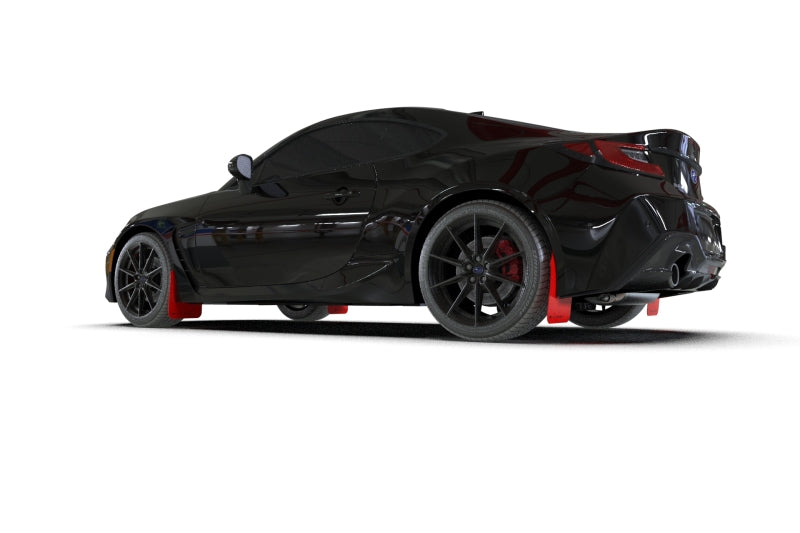
Rally Armor 22-25 Subaru BRZ / Toyota GR86 Black UR Mud Flap w/Red Logo (MF99-UR-BLK-RD)
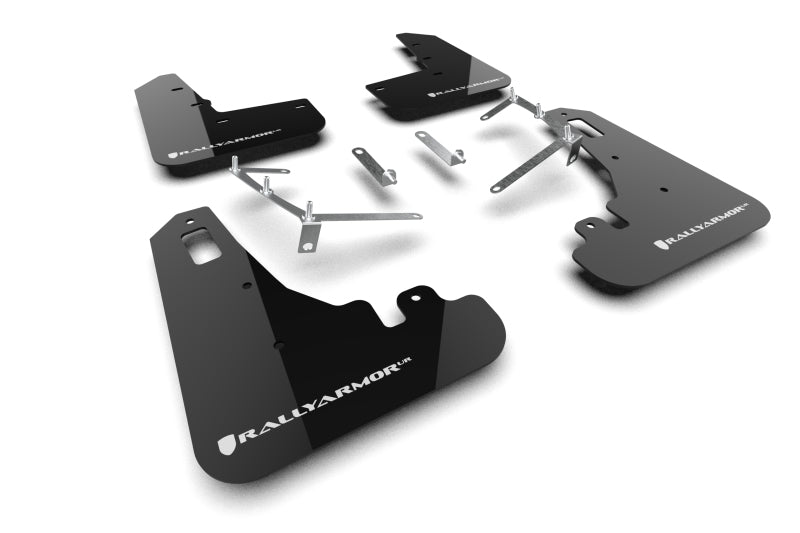
Rally Armor 22-25 Subaru BRZ / Toyota GR86 Black UR Mud Flap w/White Logo (MF99-UR-BLK-WH)
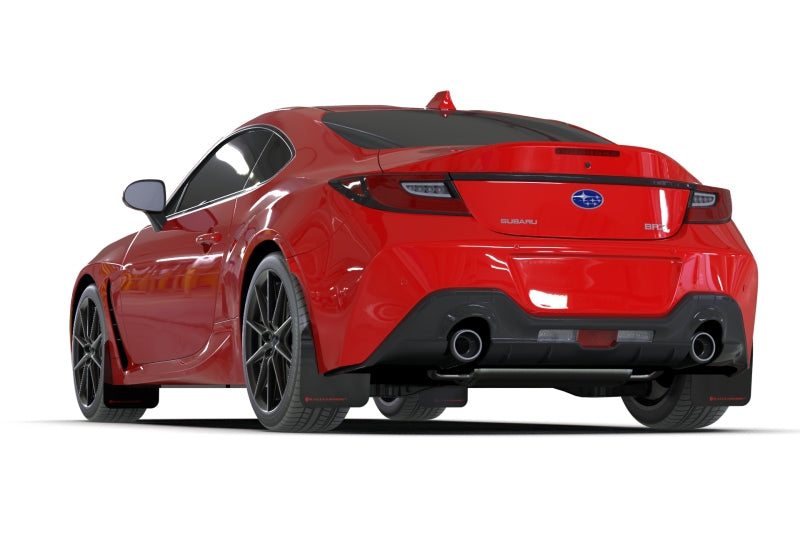
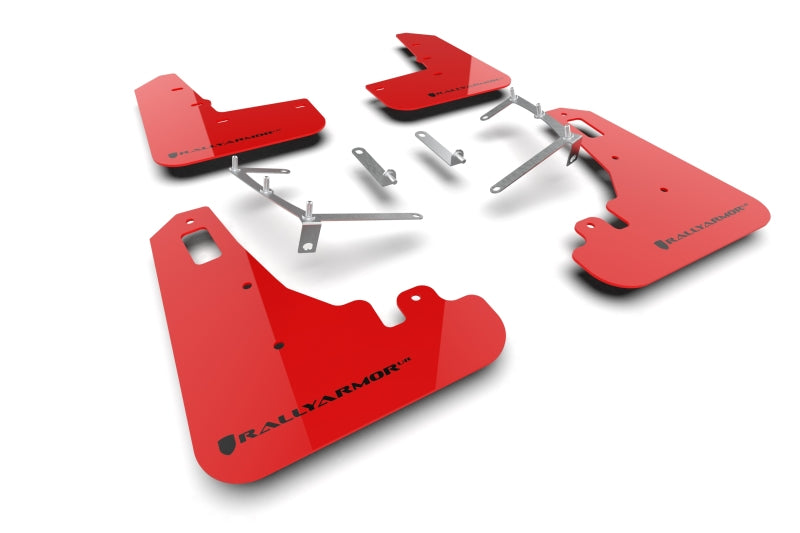
Rally Armor 22-25 Subaru BRZ / Toyota GR86 Red UR Mud Flap w/Black Logo (MF99-UR-RD-BLK)
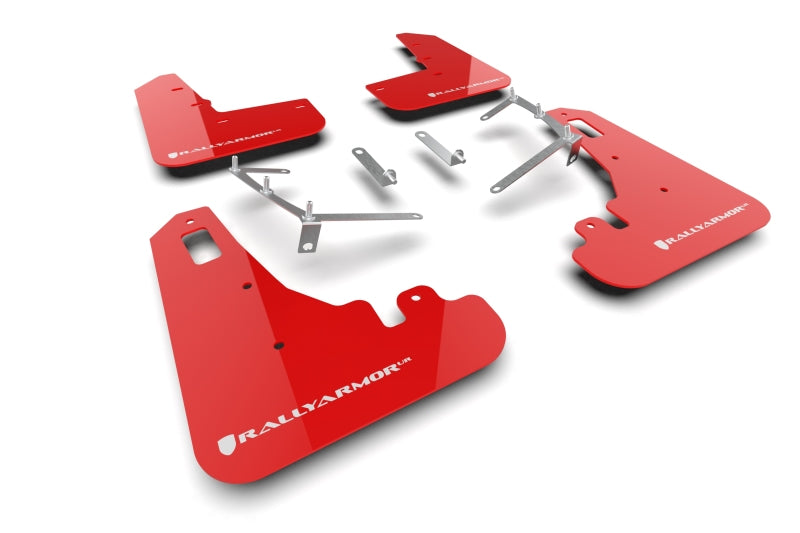
Rally Armor 22-25 Subaru BRZ / Toyota GR86 Red UR Mud Flap w/White Logo (MF99-UR-RD-WH)
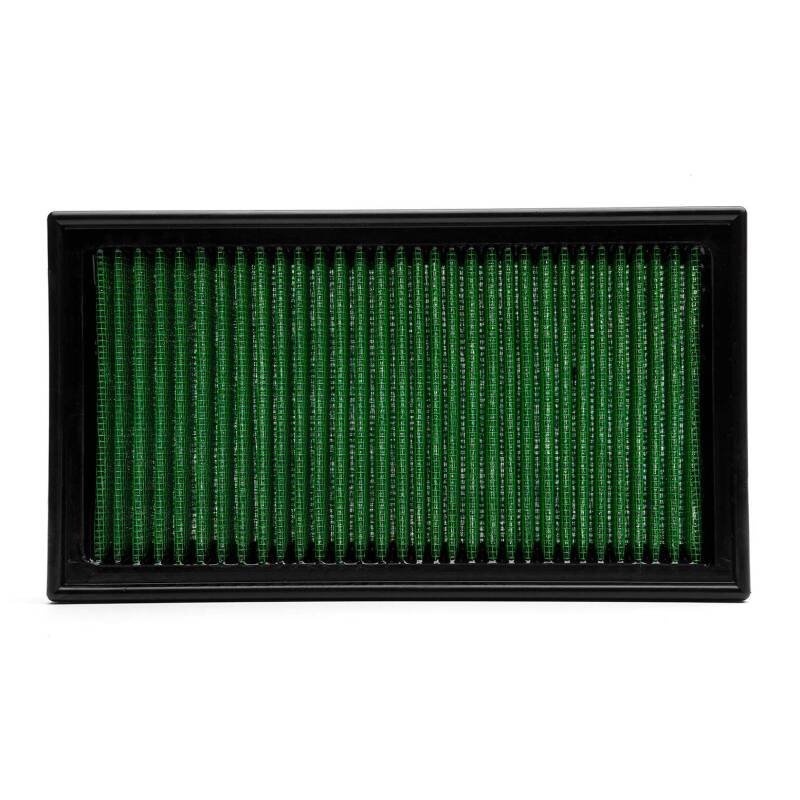
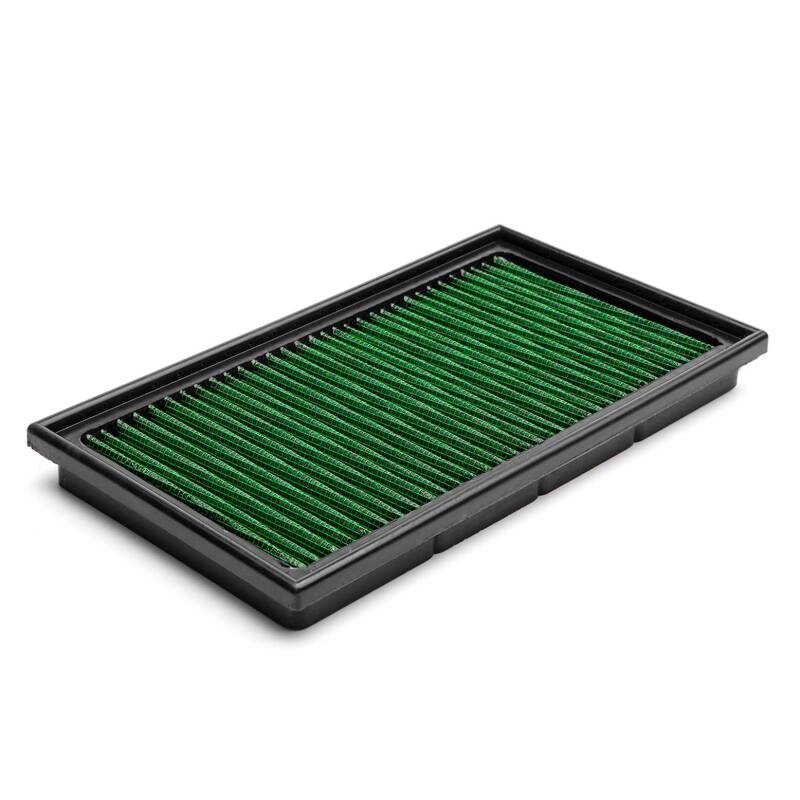
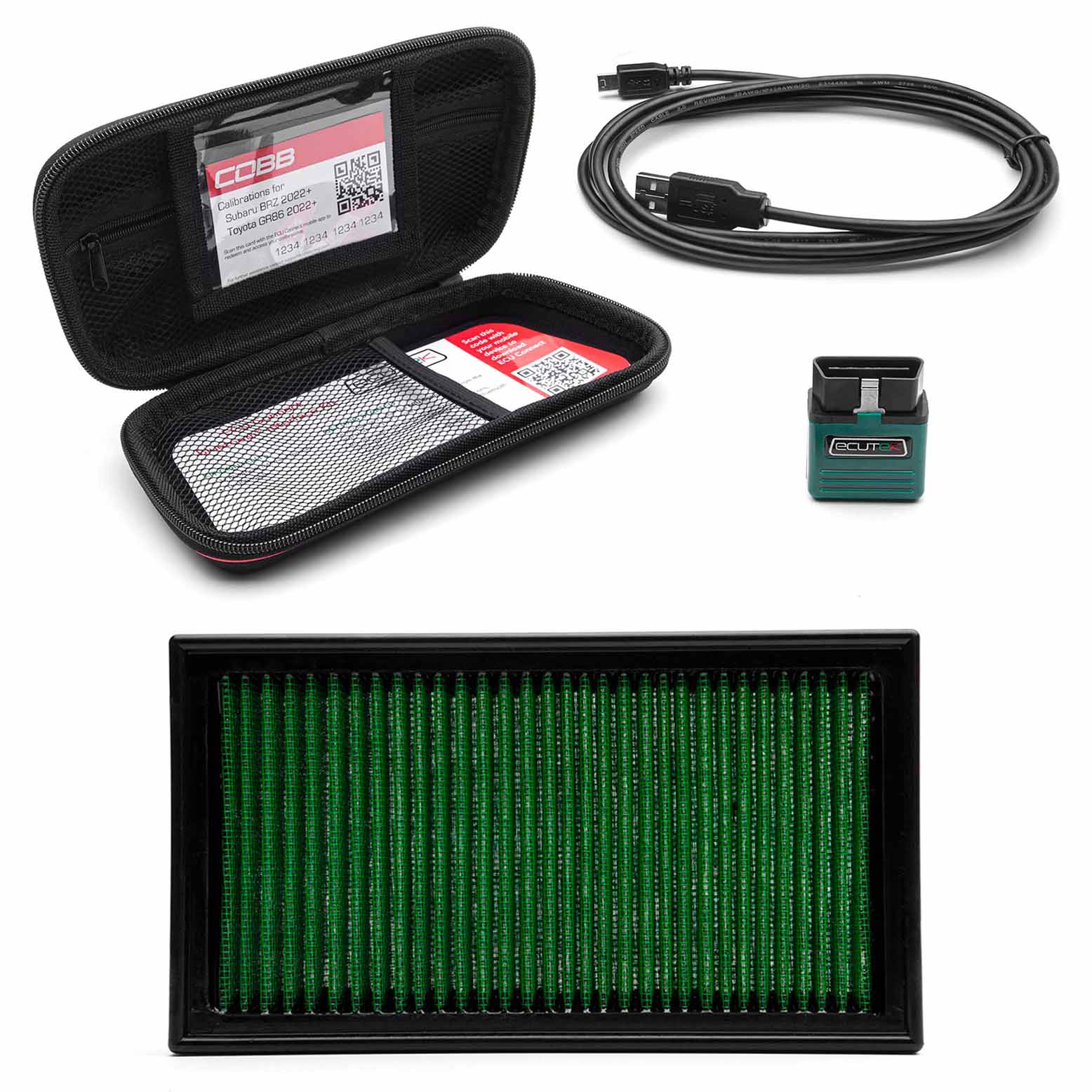
Cobb 22-23 Subaru BRZ/Toyota GR86 High Flow Air Filter (7Z1110)
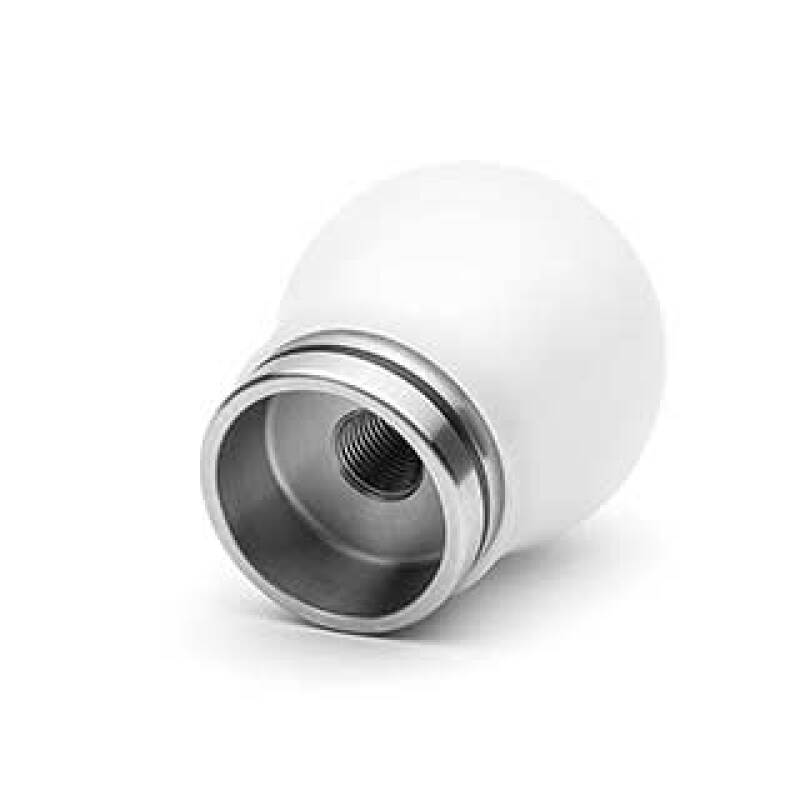
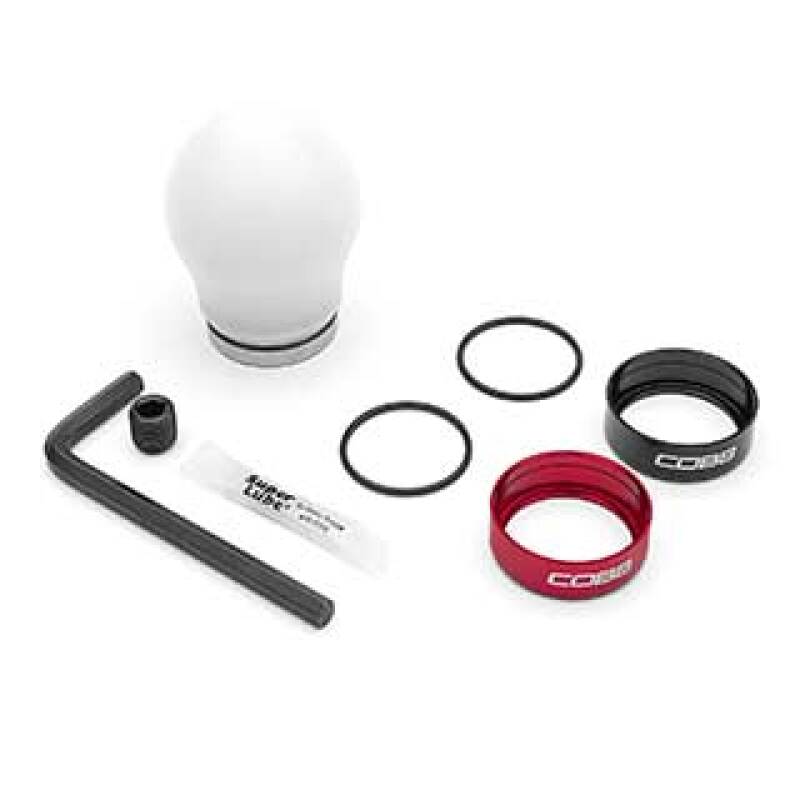
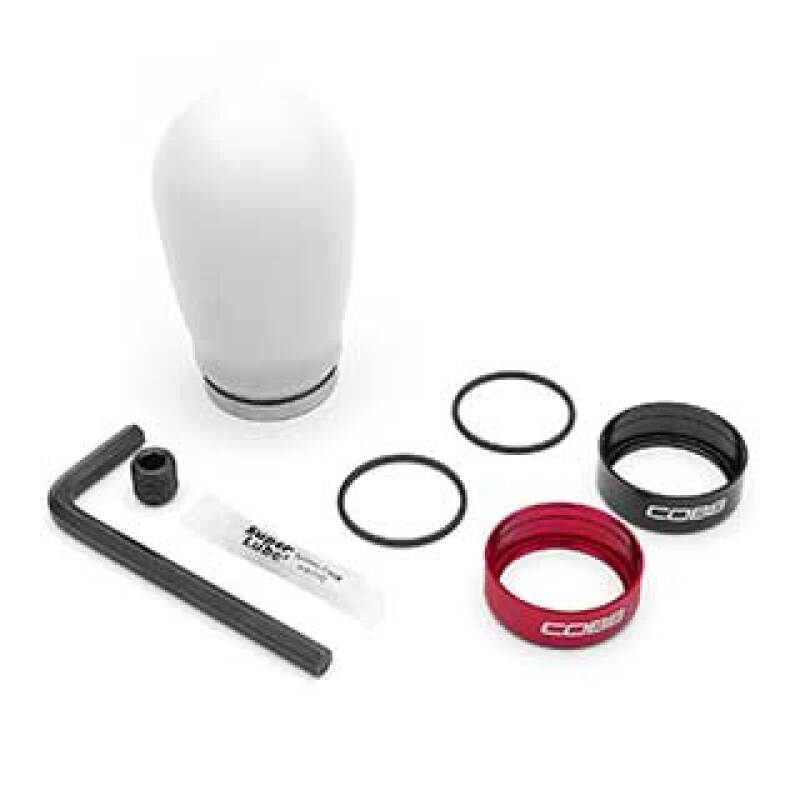
Cobb 12-16 FR-S / 2012+ BRZ / 2017+ GR86 / Focus ST+RS / Fiesta ST Short Weighted COBB Knob - White (291360-W)
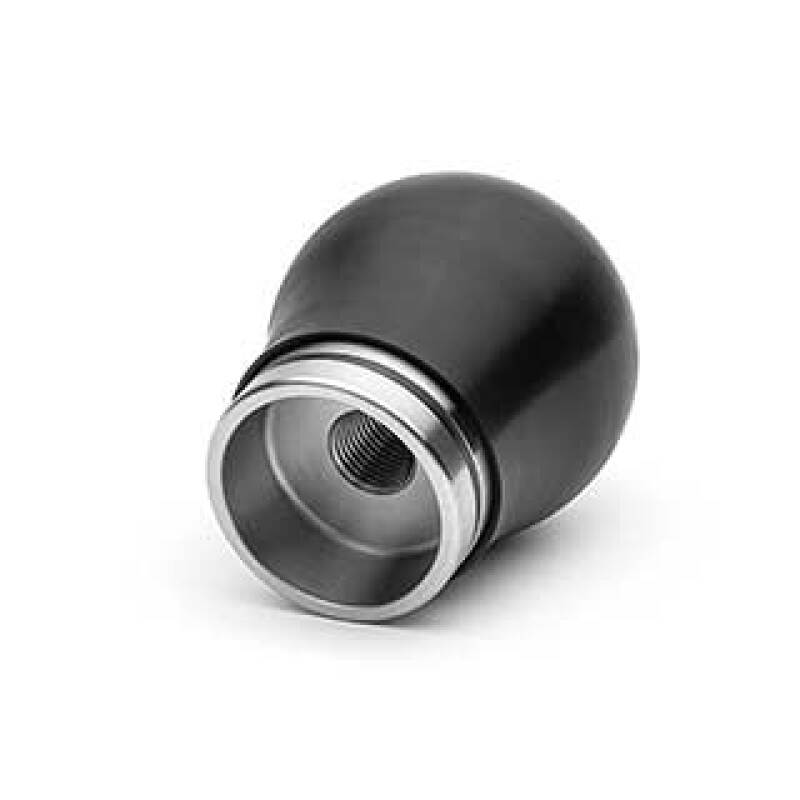
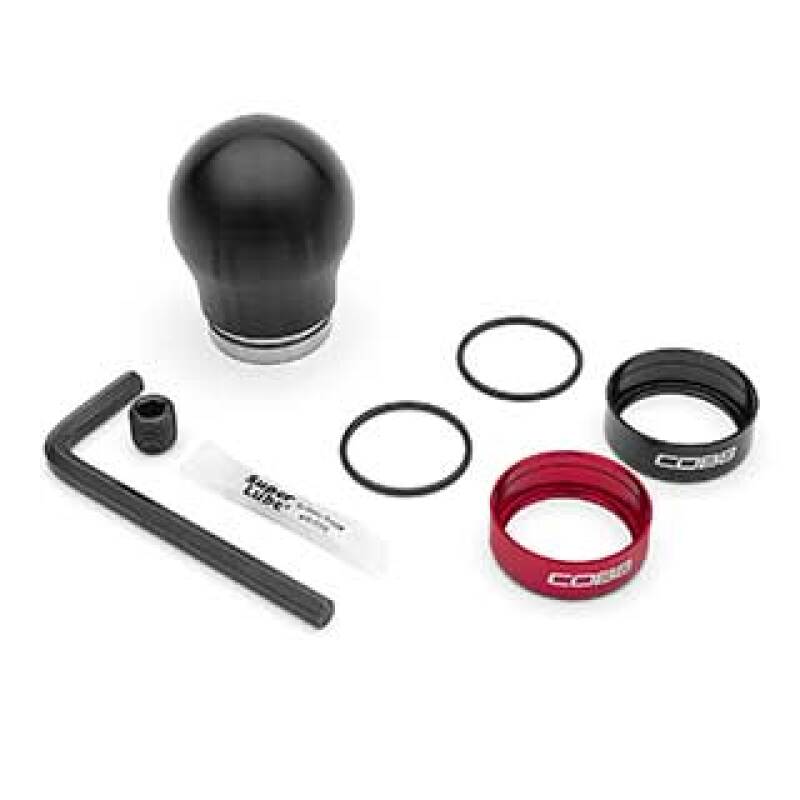
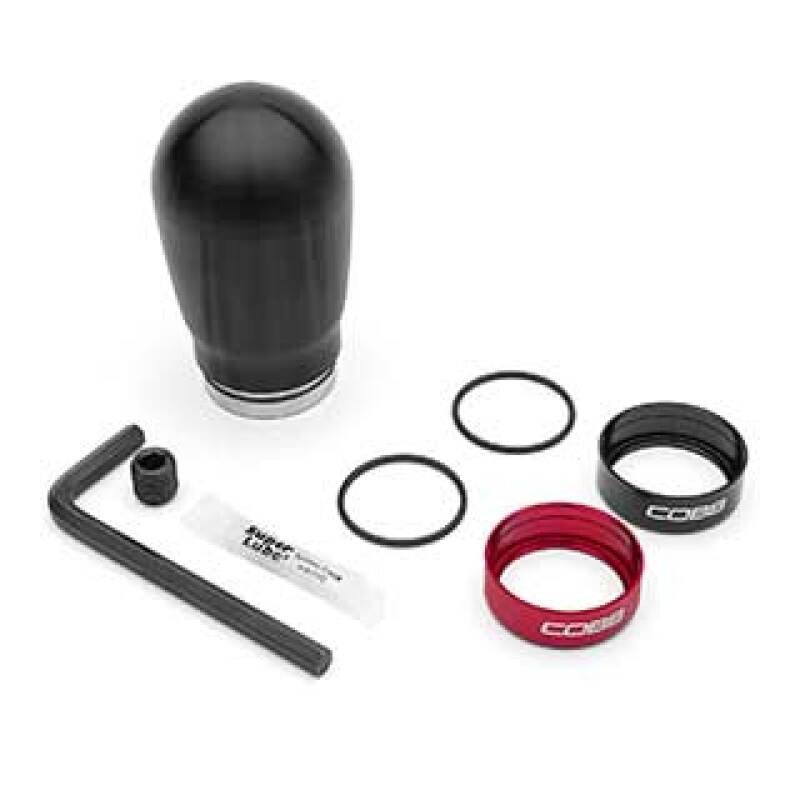
Cobb 12-16 FR-S / 2012+ BRZ / 2017+ GR86 / Focus ST+RS / Fiesta ST Short Weighted COBB Knob - Black (291360-BK)
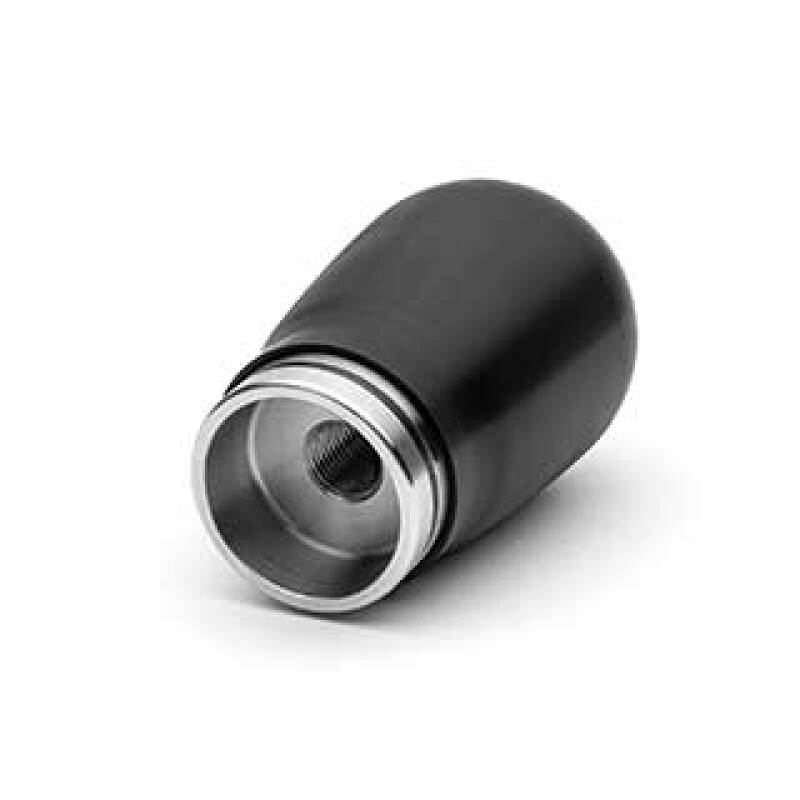
Cobb 12-16 FR-S / 2012+ BRZ / 2017+ GR86 / Focus ST+RS / Fiesta ST Tall Weighted COBB Knob - Black (291370-BK)
Cobb FR-S / BRZ / GR86 / Focus ST+RS / Fiesta ST Tall Weighted COBB Knob - White (291370-W)
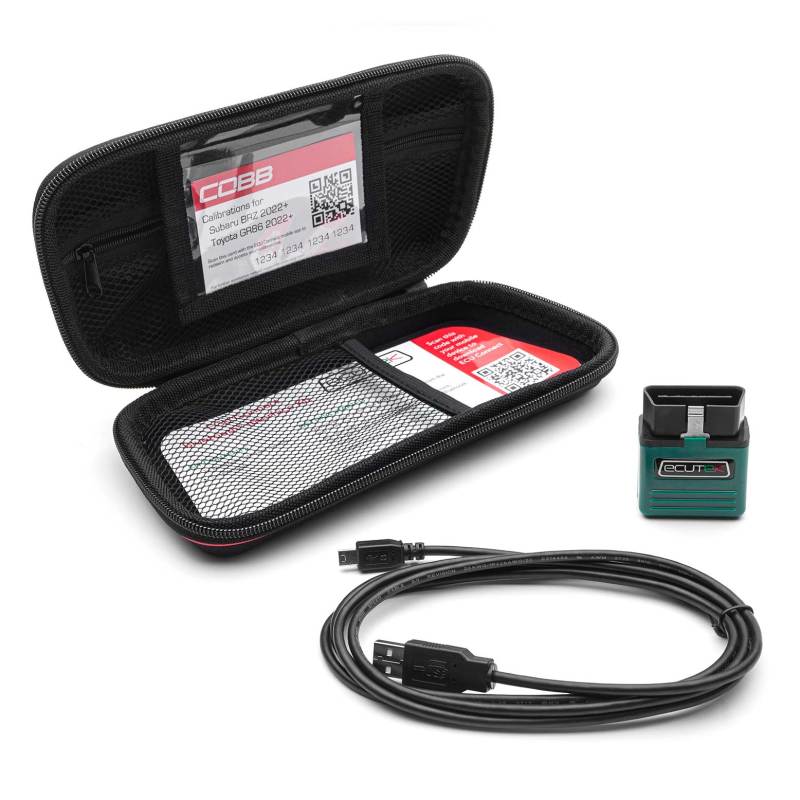
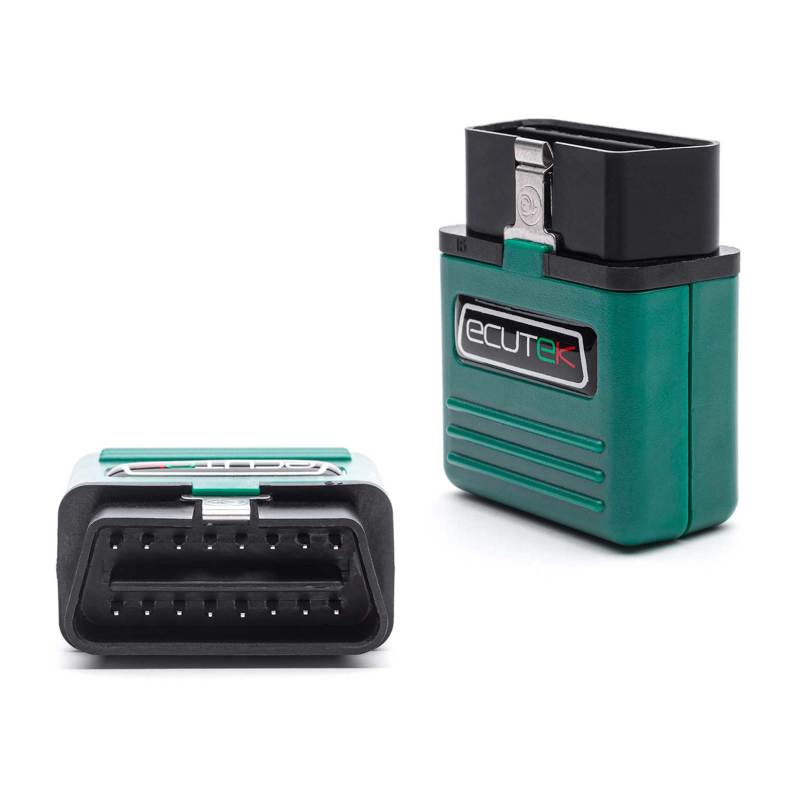
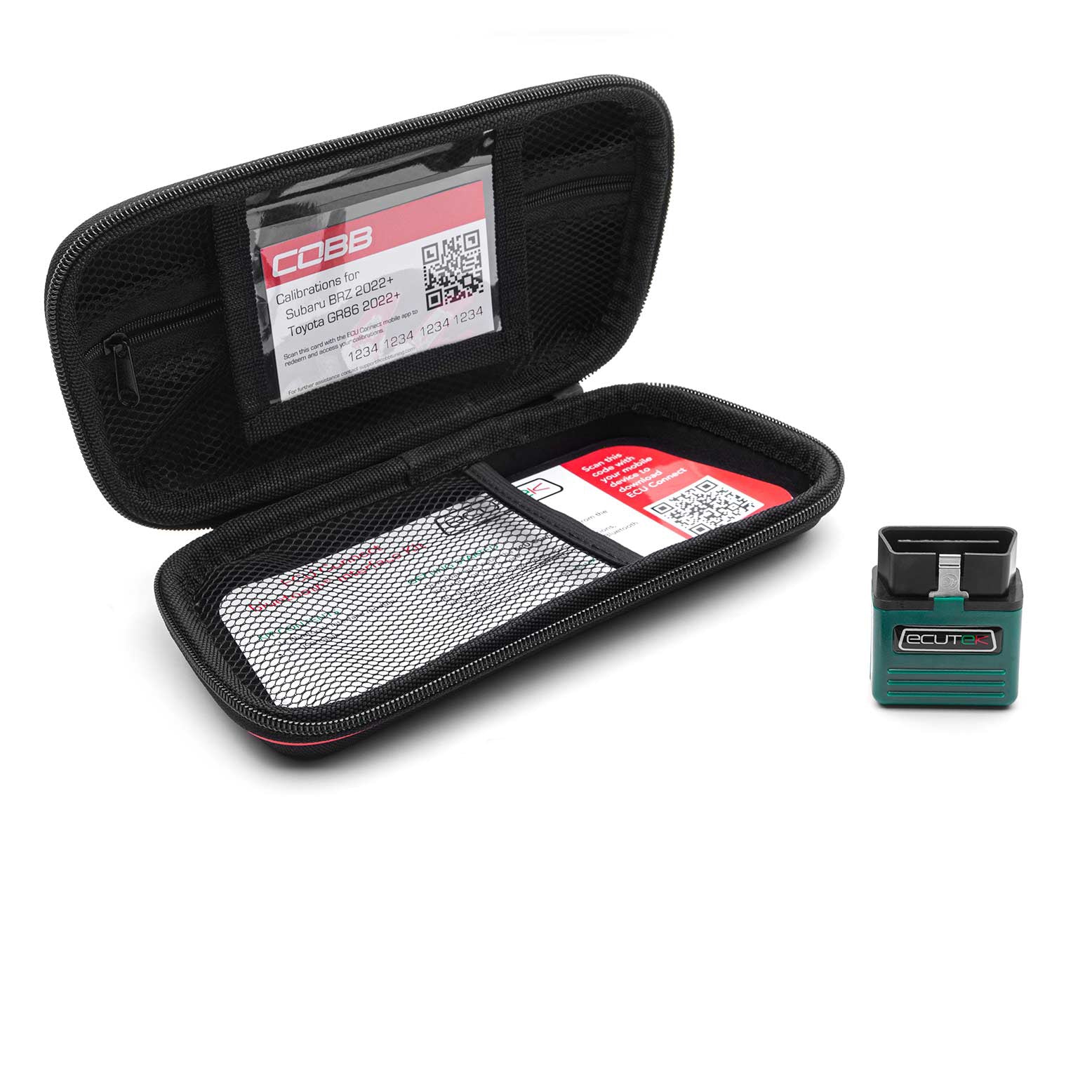
COBB 2022+ Subaru BRZ / Toyota GR86 (AT/MT) Flash Kit & Calibrations (COBBECUT001)
The 2022+ Toyota GR86 (chassis code ZN8) is the purest driver's car in its price class — and that's the entire point. Co-developed by Toyota and Subaru, the GR86 pairs a 2.4-liter naturally-aspirated FA24 boxer engine (228 horsepower, 184 lb-ft) with rear-wheel drive, a Torsen limited-slip differential, a 6-speed manual or automatic, and one of the best-balanced chassis ever sold at this price. The GR86 isn't a numbers car — it's a feel car, engineered around lightweight balance, communicative steering, and the kind of throttle-on-exit rotation that makes drivers better.
That's why the smartest GR86 builds start with the chassis, not the engine. Where a turbocharged car rewards a tune first, the naturally-aspirated GR86 rewards grip, balance, and control: coilovers or quality springs, sway bars, chassis bracing, sticky tires, and brake upgrades transform how the car drives far more than any single bolt-on. A GR86 on proper suspension and tires is a genuinely different car — sharper, faster everywhere that matters, and more confidence-inspiring at the limit. This is the build path that actually makes you quicker on a back road or track.
Kami Speed carries the full GR86 catalog for every kind of build: intakes and exhausts for sound and response, coilovers and springs from Fortune Auto, BC Racing, Tein, and Eibach, sway bars and chassis bracing from Cusco and Whiteline, big brake kits and pads for track duty, lightweight wheels in proper ZN8 fitment, and — when you're ready for serious power — the forced-induction path, including HKS GTIII-RS bolt-on turbo kits and supercharger systems that take the FA24 well past 300 horsepower. Whether you're building a momentum-carving canyon car, a dedicated track weapon, or a turbocharged street build, we'll help you do it in the right order.
Toyota/Subaru sports car specialists since 2004 — 86, FR-S, BRZ, and now GR86
Verified ZN8 fitment — 5x100 wheels, shared GR86/BRZ parts knowledge
Honest build guidance — handling-first, with a real forced-induction path
Real support from enthusiasts who understand momentum-car builds
For the GR86, the honest answer is different from a turbocharged car: start with suspension and tires, not the engine. The GR86 is a naturally-aspirated handling car, and the single biggest transformation you can make is improving how it puts power down and rotates through corners. A quality set of coilovers (or lowering springs for a budget build) plus sticky 200-treadwear tires will make the car dramatically faster on any road or track — far more than any bolt-on power mod. The factory tires in particular are a known weak point; upgrading them alone wakes the car up. After suspension and tires, sway bars and chassis bracing sharpen turn-in and reduce body roll. If your goal is a better-driving GR86 — which is what the platform is built for — the first dollars go to grip and balance, not horsepower. Power comes later, and on this platform it comes from forced induction, not bolt-ons.
Honest answer: on a naturally-aspirated GR86, intake and exhaust add modest power — typically a few horsepower each — but that's not really why you install them. An aftermarket exhaust transforms the FA24's sound (the factory exhaust is deliberately muted), and a quality intake improves throttle response and intake noise. These are sound, response, and character mods more than power mods, and that's a legitimate reason to do them — the GR86 is about driving feel, and a better exhaust note genuinely improves the experience. If raw power is your goal, the truth about naturally-aspirated engines is that bolt-ons give diminishing returns, and the real power path is forced induction (turbo or supercharger). We'd rather tell you that honestly than sell you an intake and exhaust promising power gains that don't materialize. Buy the exhaust because you want the car to sound incredible — which it will — not because you're chasing 20 horsepower that isn't there.
The honest path to significant power on the naturally-aspirated FA24 is forced induction — there's no bolt-on shortcut. You have two main routes. Turbocharging: kits like the HKS GTIII-RS bolt-on turbo can take the FA24 past 300 horsepower on the stock engine with proper tuning and supporting modifications, and turbos make peak power efficiently. Supercharging: systems like Edelbrock and others provide linear, instant power delivery that suits the GR86's character well, with a more OEM-like driving feel. Both routes require supporting mods — fueling, tuning, and often clutch and cooling upgrades — and both represent a serious investment ($5,000-$8,000+ installed for a complete setup). The honest reality: forced induction is where GR86 power actually lives, but it's a commitment, not a casual bolt-on. Many GR86 owners are happiest building the chassis and keeping the engine naturally aspirated, enjoying the balance and reliability. If you want big power, FI is the answer — and we'll help you spec a complete, reliable setup rather than a piecemeal one that causes problems.
The FA24 in the GR86 has a noticeable torque dip in the mid-range (around 3,500-4,500 RPM) — a flat spot where the engine feels less urgent before pulling hard again up top. It's a characteristic of the engine's intake design and is well-known in the community. The honest truth: there's no magic bolt-on that completely eliminates it, but several things help. An ECU tune (via EcuTek or similar) can smooth the dip noticeably by optimizing fueling and timing through that RPM range — this is one of the more worthwhile power-adjacent mods on the platform. Some intake and header combinations also reduce the dip's severity. Forced induction eliminates it entirely by filling in the mid-range with boost. For a naturally-aspirated GR86, a quality tune is the most effective single fix, and it's worth doing if the dip bothers you. Managing your driving to keep revs above the dip on spirited runs is the free solution most owners adopt.
Suspension is the highest-ROI upgrade category on the GR86 because it's a handling car. The path depends on your use and budget. Lowering springs (Eibach, Swift) on the factory dampers are the budget entry point — they lower the center of gravity and reduce body roll while keeping a streetable ride, ideal for a daily-driven GR86. Coilovers (Fortune Auto, BC Racing, Tein, KW) are the bigger upgrade — adjustable ride height and damping let you tune the car for street comfort or track aggression, and quality coilovers transform the GR86 more than any other mod. Beyond springs and dampers, sway bars (front and rear, often from Cusco or Whiteline) tune the car's balance — a stiffer rear bar adds rotation, which the GR86 responds to beautifully. Chassis bracing (strut bars, sub-frame braces) sharpens steering response on the already-rigid chassis. Honest priority for most owners: quality tires first, then sway bars or springs, then coilovers when budget allows. A GR86 on coilovers and sticky tires is a genuinely transformed car.
The 2022+ Toyota GR86 (chassis ZN8) and Subaru BRZ (chassis ZD8) are mechanical twins — co-developed by Toyota and Subaru, built on the same platform, with the same FA24 2.4-liter boxer engine, same transmissions, and the same fundamental chassis. The differences are minor: Toyota and Subaru each tuned the suspension and steering slightly differently (the GR86 is often described as marginally more playful/tail-happy, the BRZ marginally more planted, though the difference is subtle), and there are cosmetic distinctions in front fascia, wheels, and available colors/trims. For modification purposes, this is great news: the overwhelming majority of parts are cross-compatible between the GR86 and BRZ. An exhaust, coilover, intake, big brake kit, or turbo kit listed for one almost always fits the other, since they share the FA24 engine and the platform. When shopping, you'll often see parts listed as "GR86/BRZ" or "ZN8/ZD8" together for this reason. Always confirm fitment, but in practice the GR86 and BRZ aftermarket is one shared ecosystem.
The GR86 uses a 5x100 bolt pattern (note: this is different from many newer performance cars that use 5x114.3 — don't assume). The factory wheels are 18x7.5 +48, and the factory tires are a known weak point — many owners' first upgrade is simply better tires on the stock wheels, which transforms grip immediately. For aftermarket wheels, the community-validated fitments are typically 17x9 to 18x9.5 in offsets from +35 to +45, depending on your suspension and whether you want flush or aggressive fitment. Many GR86 owners choose 17-inch wheels for track use because it opens up a wider selection of 200-treadwear track tires and allows more sidewall; an 17x9 +42 with a 255/40/17 is a popular track setup. For street, 18x9.5 with a 265/35/18 fills the fenders nicely. Lightweight wheels matter on this car — reducing unsprung and rotating mass on a momentum-driven N/A car has a real effect on how it accelerates and changes direction. Stick to quality lightweight wheels (Gram Lights, Enkei, Volk) in the 5x100 pattern and verify the offset works with your suspension setup.
The GR86 is one of the best track-day cars you can buy at its price — it's practically engineered for it. Lightweight, balanced, rear-wheel drive with a limited-slip differential, and forgiving at the limit, it teaches car control better than almost anything. For track use, the priority list: (1) tires — sticky 200-treadwear tires are the single biggest lap-time improvement; (2) brake fluid and pads — the factory brakes are adequate but fade under sustained track use, so high-temp fluid (Motul RBF600) and track pads come first, before any big brake kit; (3) suspension — coilovers let you set proper alignment and corner balance for track work; (4) cooling — the FA24 and transmission can get heat-soaked on long sessions, so an oil cooler is worth considering for serious track use; (5) safety gear if you're getting serious (harnesses, roll bar). The honest good news: the GR86 needs less to be track-ready than most cars because the foundation is so strong. Tires, fluid, and pads get most owners onto the track happily, with suspension and cooling as the next step for those who get hooked — and most do.